Media Codes & Conventions / Technical codes
Technical codes
Lighting
Lighting is the technical code of how light and shadow are controlled — their quality, direction, source and colour — to model a subject, set mood and direct the audience’s eye.
Lighting shapes how we see everything else. Beyond simply making the image visible, the placement, quality, direction and colour of light models faces, builds mood and quietly tells the eye where to look. It is one of the most powerful tools a filmmaker has and one of the easiest to overlook — precisely because, done well, it feels like nothing more than “how the scene looked.”
Lighting almost never works alone: read it alongside colour, with which it sets the palette, and mise en scène, which it sculpts. There are four things to look for — the quality of the light, its direction, the overall scheme, and its colour.
Quality: hard and soft light
The quality of light is how sharp its shadows are.
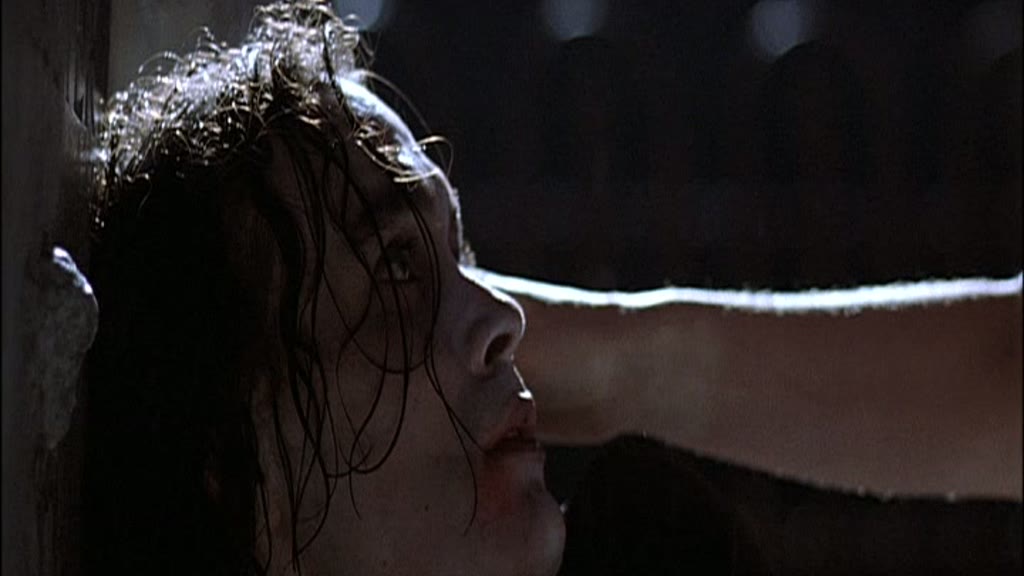
- Hard light is a single, focused source that throws crisp, dark-edged shadows. It is dramatic and unforgiving — it carves out texture, deepens lines on a face, and feels tense or harsh.
- Soft light is diffused or bounced so the shadows are gentle and gradual. It is flattering and calm, smoothing a face and reading as warm, safe or romantic.
The same actor lit hard or soft can look like a threat or a sweetheart — the choice is doing characterisation before anyone has spoken.
Direction and three-point lighting
Where the light comes from changes everything. The film industry’s default set-up is three-point lighting:
- The key light is the main, brightest source, usually off to one side, that models the subject.
- The fill light is softer and opposite the key, lifting the shadows the key creates so they do not go fully black.
- The back light (or rim light) sits behind the subject, picking out the edges of hair and shoulders to separate them from the background and give the image depth.
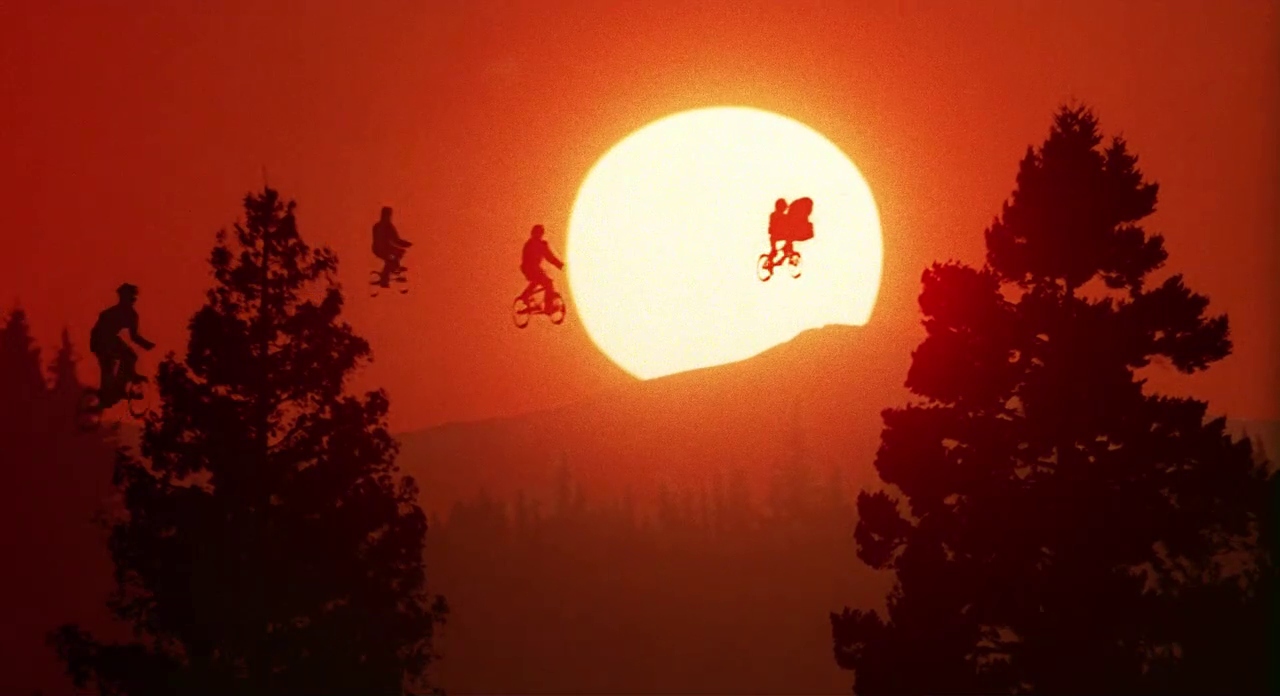
Direction carries meaning on its own. A back light with no fill leaves a silhouette — mysterious, heroic or ominous. Under-lighting, thrown up from below, distorts a face into something monstrous (the campfire ghost story, the horror villain). Top lighting can sanctify or isolate. Whenever you can, name where the key light sits and what it is hiding.
High-key and low-key lighting
This is the distinction that does the most analytical work.
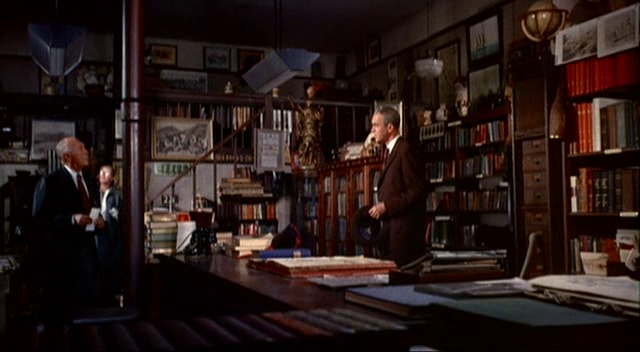
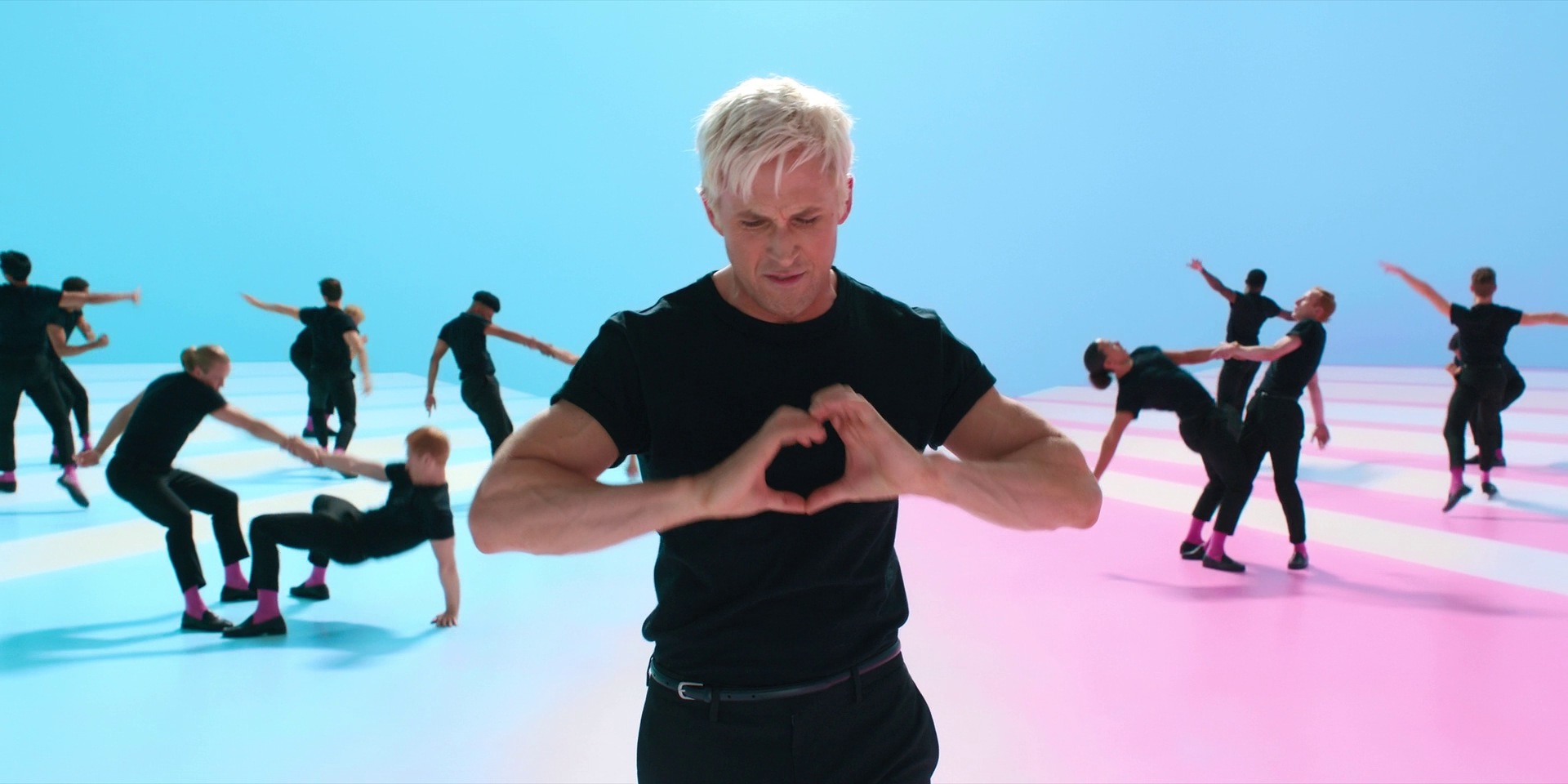
- High-key lighting is bright, even and low in contrast, with the fill light close to the key so there are few strong shadows. It reads as safe, open and everyday, and it is the default of comedy, romance and most mainstream television.
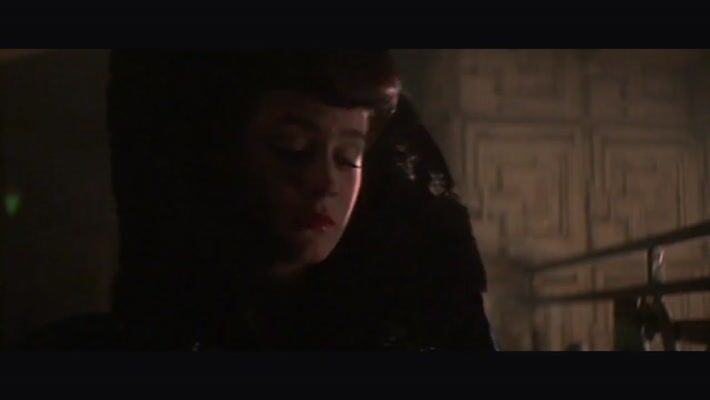
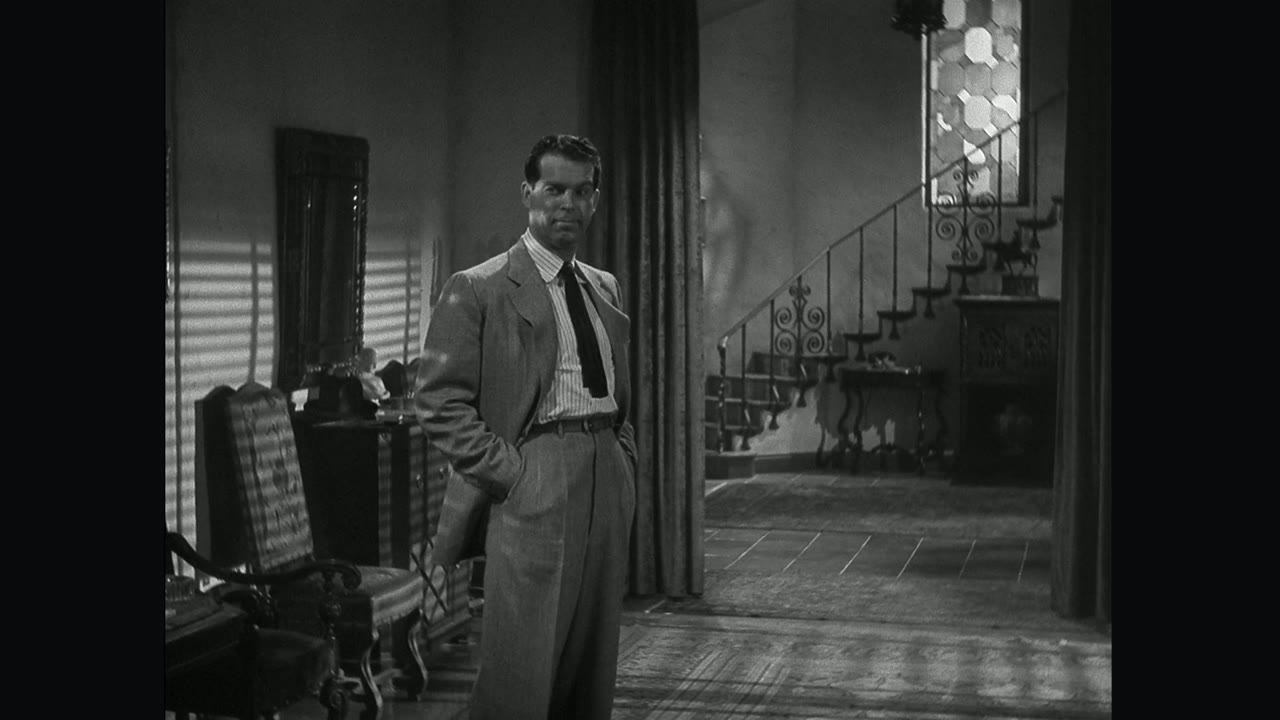
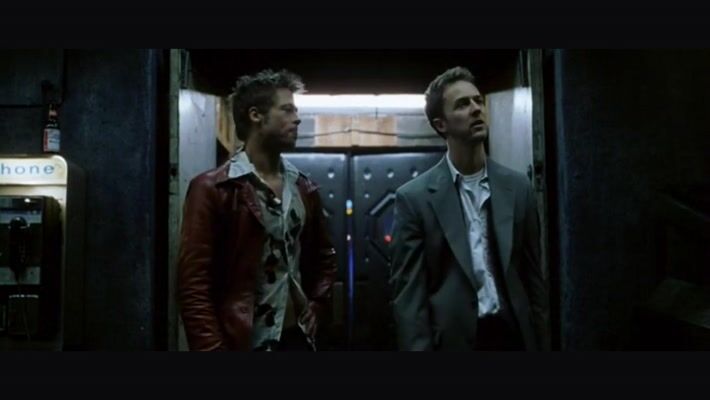
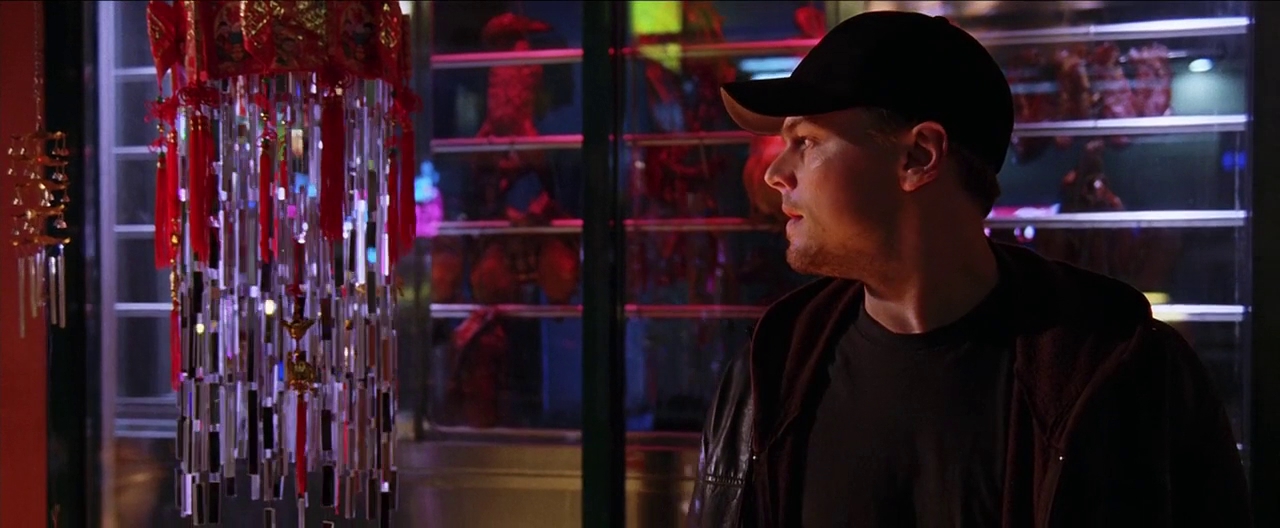
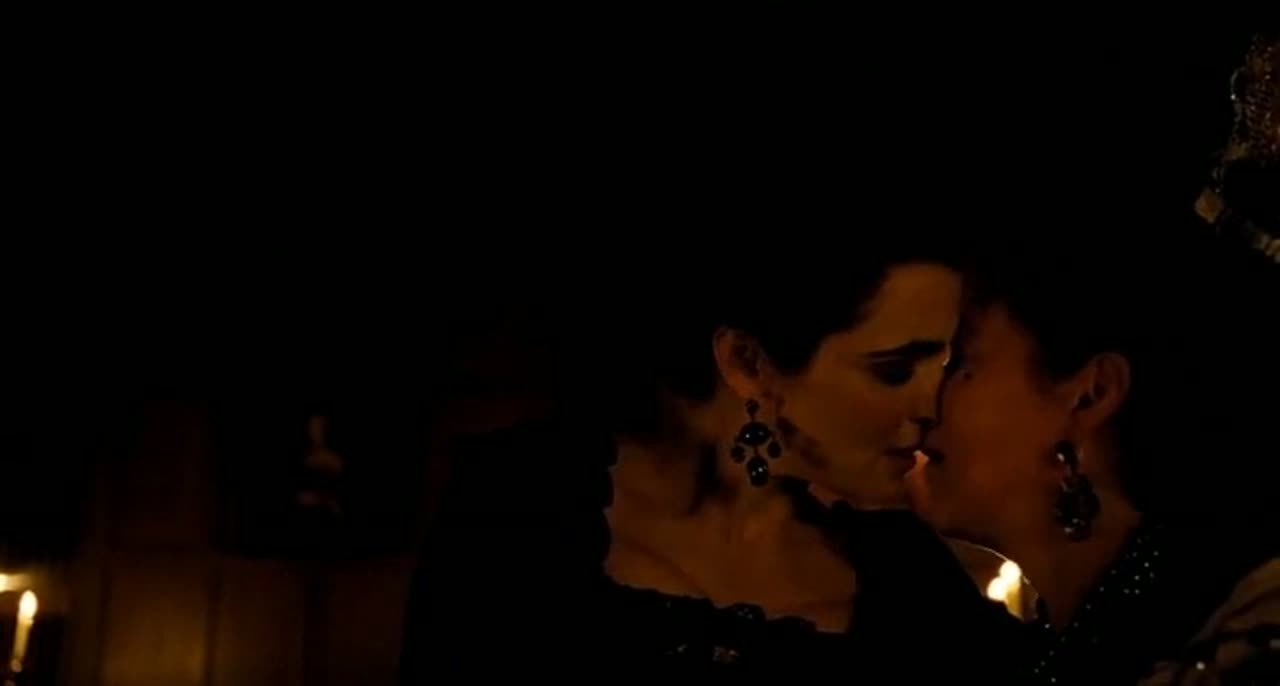
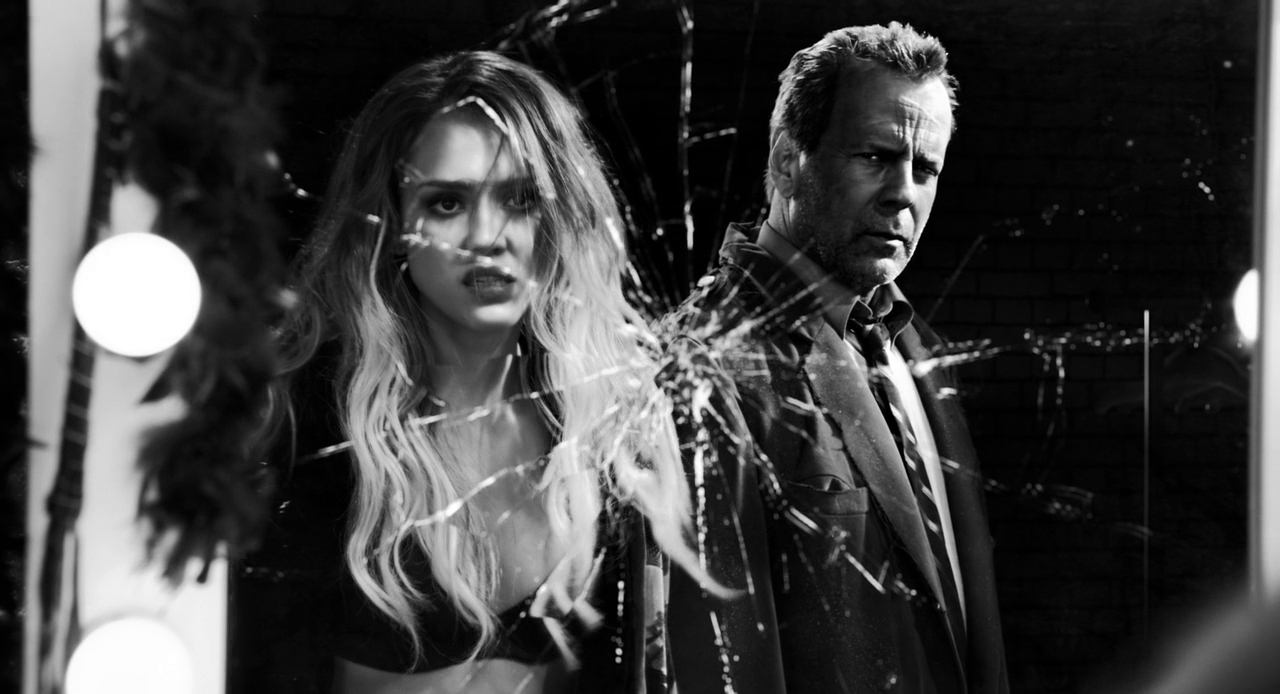
- Low-key lighting is high in contrast, shadow-heavy and often built from a single hard source with little fill. Large areas of the frame fall into darkness. It reads as danger, secrecy, glamour or moral murk — the signature of thrillers, horror and film noir.
The ratio of light to shadow is one of the fastest ways to read a film’s mood, so it is always worth asking which way a scene leans and why.
Film noir and chiaroscuro
The most concentrated use of low-key lighting is chiaroscuro — the bold play of light against deep shadow borrowed from Renaissance painting. Film noir made it a whole visual language: the hard pool of a single lamp, the bars of shadow thrown by a venetian blind, faces half-swallowed by darkness. The style says, before any plot does, that this is a world of secrets, threat and divided loyalties.
Colour, motivated and expressive light
Light has a colour temperature — warm, golden light feels inviting and nostalgic; cold, blue light feels lonely, clinical or harsh. And lighting can be motivated, appearing to come from a real source we can see in the scene (a window, a lamp, a neon sign), or expressive, used purely for effect with no source in the world — a wash of unmotivated red across a face to mark danger or desire. The gap between what could be lighting the scene and what is often carries the meaning.
Analysing lighting with COCA
A strong analysis names a Contention, supports it with an Observation, explains the Connotation, and connects it to the Audience.