Media Codes & Conventions / Written codes
Written codes
Spoken Language
Spoken language is the written code of the words spoken in a media product — dialogue, voiceover, accent and delivery — and the meaning carried by language itself.
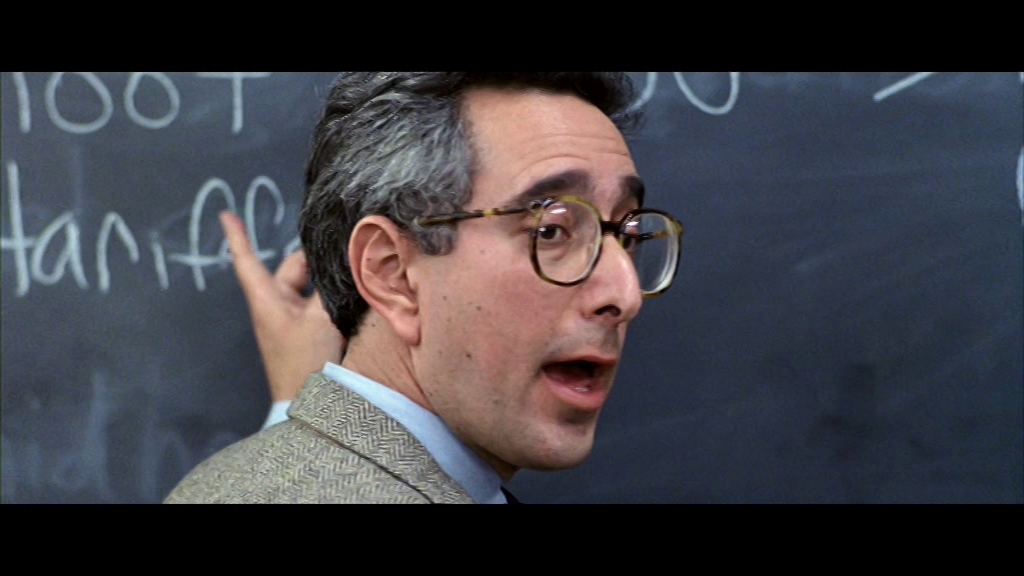
Spoken language is the second of the written codes: the words spoken within a media product and the meanings they carry. Where audio studies sound — its volume, texture and music — spoken language studies language: what is said, how it is phrased, and what that choice reveals. And where acting is concerned with delivery, spoken language is concerned with the words on the page that delivery brings to life. There are four things to look for — dialogue, voiceover, accent and register, and direct address.
Dialogue
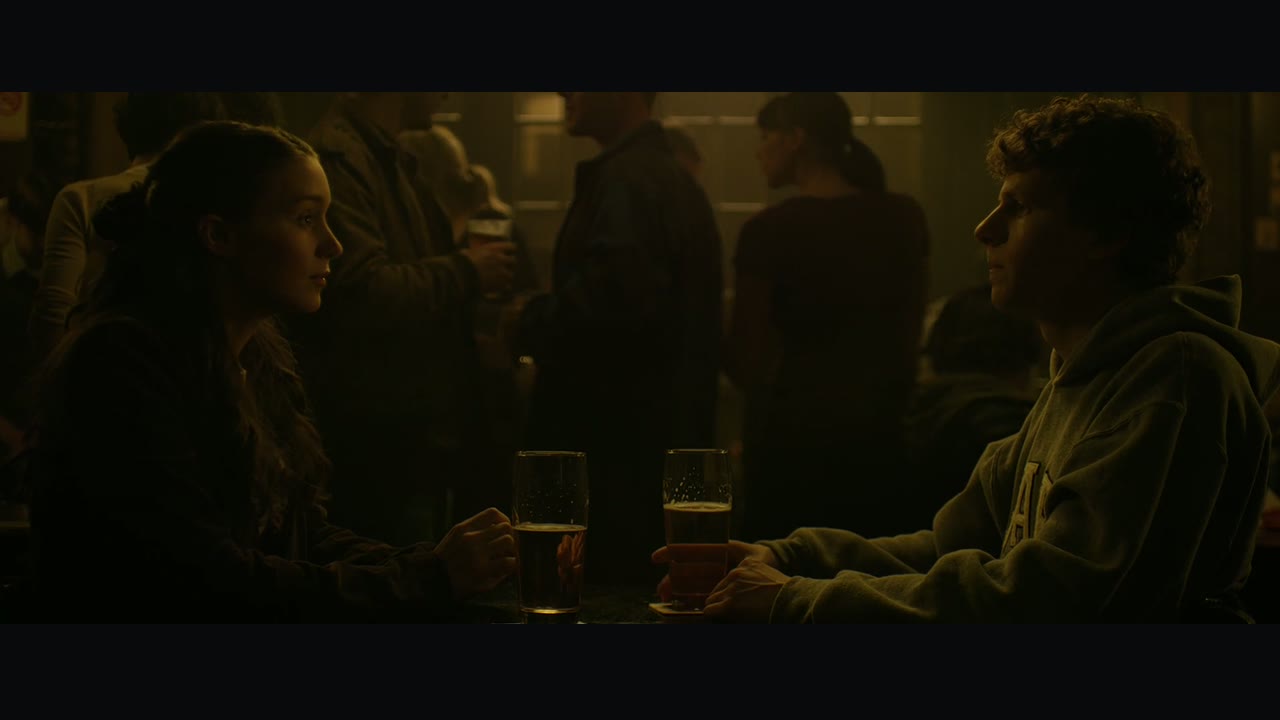
Dialogue is the most direct form of spoken language, but it rarely does only one job. Beyond carrying plot, the way a character speaks — their vocabulary, formality, slang, hesitations and word choice — builds character and signals status, region, era and relationship. Good screen dialogue also runs on subtext: characters say one thing and mean another, so that what a character avoids saying can carry more weight than what they actually voice. Listen, too, for how two people’s speech fits together — who interrupts, who controls the conversation, who is left silent.
Voiceover and narration
A voiceover is spoken language laid over the images from outside the scene, and it is flexible enough to do very different work. It can establish a narrator’s point of view, bridge time and place, deliver a character’s private interior thought, or set up irony by clashing with what we see — the cheerful narration over a bleak image, the unreliable narrator whose account we slowly learn to distrust. Because a voiceover is non-diegetic, it speaks past the other characters and straight to us.
Accent, dialect and register
Accent and dialect place a character in a region and a social class in seconds, which is why casting and dialogue coaching are such loaded choices; an accent can mark a character as an outsider, a villain, a local or a hero before we know anything else about them. Register — the level of formality, from technical jargon to plain talk to slang — signals the situation and the relationship between speakers. A character who switches register (formal with a boss, loose with a friend) shows us the social world they are moving through. All of these choices are rich with connotation and are routinely used to mark difference, belonging or power.
Delivery and direct address
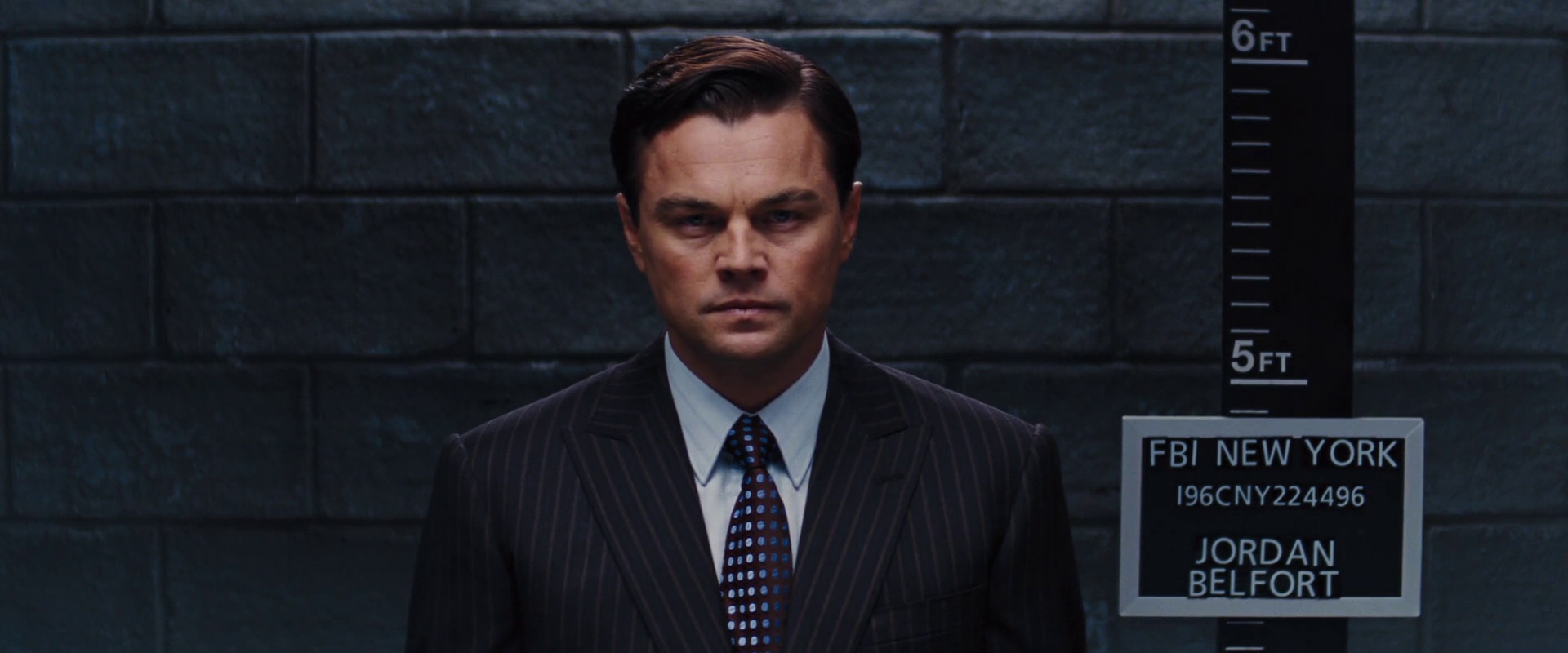
How a line is delivered — its pace, emphasis, pauses and tone — can change its meaning entirely, which is where spoken language hands over to the actor’s vocal qualities: the same five words can be a threat, a joke or a confession. One delivery deserves special mention. When a character speaks straight to camera — direct address — spoken language breaks the “fourth wall” and pulls the audience into a direct, conspiratorial relationship with the speaker, whether that is a charming guide letting us in on the scheme or an unsettling figure who knows we are watching.
How to analyse spoken language
Quote the actual words, then read them closely: what does the vocabulary, the register and the phrasing tell us about this character and this moment? Look for the gap between what is said and what is meant — the subtext — and notice who holds the power in the exchange. Then connect it to the audience: what does the language make us understand or feel about the speaker?