
Exposure · Episode 04 · Aperture & depth of field
The Field Test.
Six real photographs. No timer, no leaderboard — just you, reading each image the way a photographer would. Get all six and the certificate is yours.
-

Look at the dog’s face, then at the garden behind it. Which aperture is closest to what made this photo?
The face is pin-sharp and everything behind it has melted — a shallow depth of field. That takes a wide aperture, and wide means a small f-number.
-
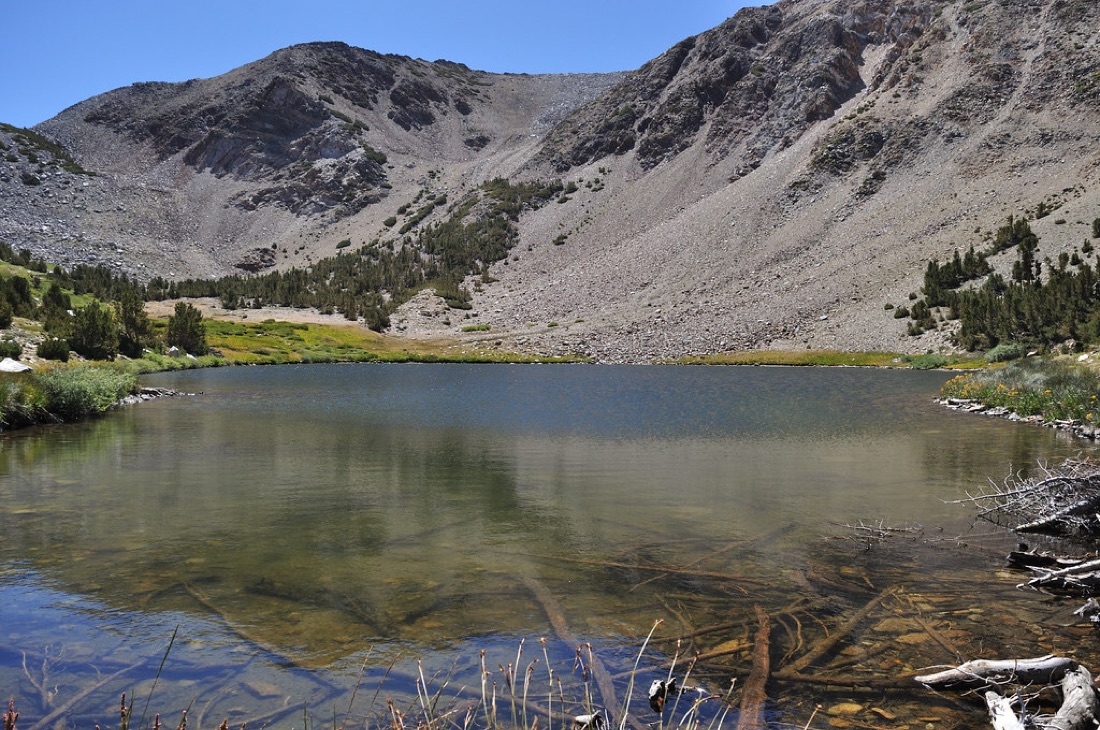
From the twigs under the water right up to the ridge line, everything is sharp. What did the photographer do?
Front-to-back sharpness is deep depth of field — a narrow aperture (big f-number). Landscapes live at f/11–f/22, which is why they also want plenty of light.
-

The bird and its log are razor sharp; the whole forest is a green wash. Where is the plane of focus — and how thick is the sharp zone?
Focus is a plane at one distance from the camera. Wide open, the sharp zone around that plane is centimetres thick — the bird lives inside it, the forest doesn’t.
-

Every streetlight in this shot has turned into a soft glowing disc. Why?
Out-of-focus points of light spread into discs the shape of the aperture — bokeh. The wider the aperture, the bigger and softer the discs.
-
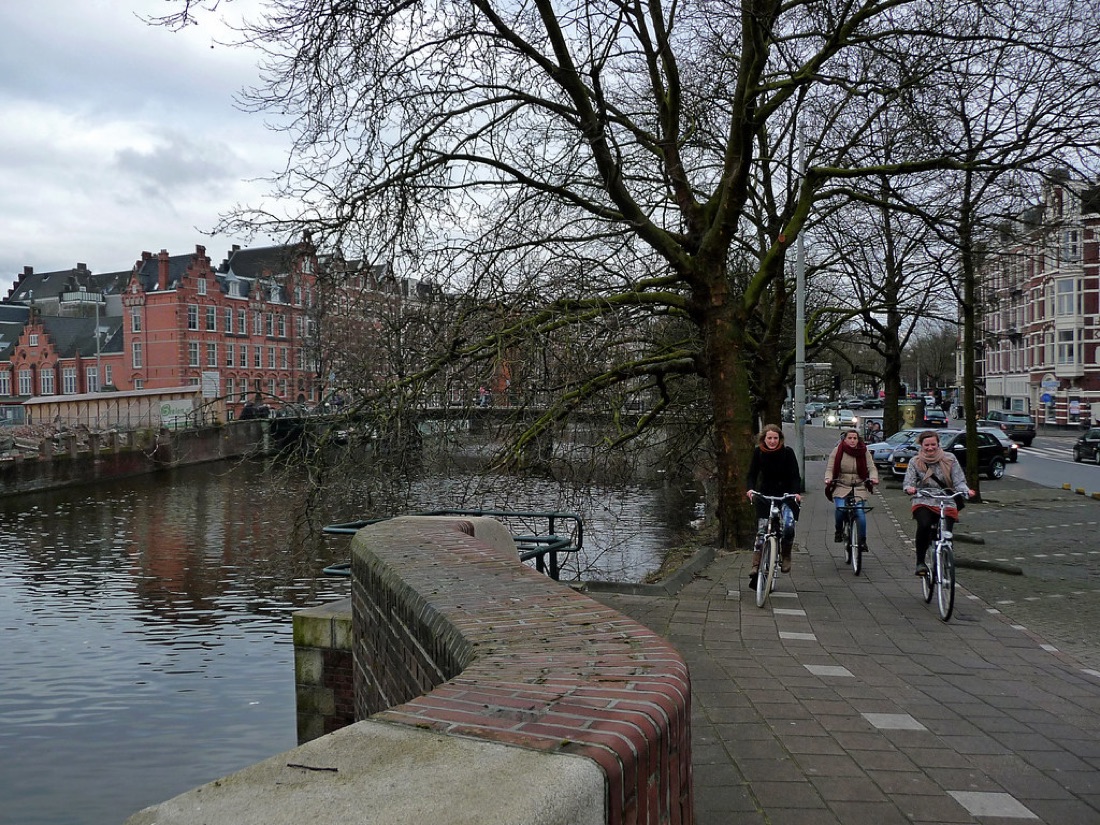
Cyclists in the mid-ground, a brick wall up close, houses in the distance — all acceptably sharp. Which pairing makes sense?
Street and documentary shots keep the whole scene as evidence — stopped down for depth, with daylight paying the light cost a small hole creates.
-
No photo for this one — it’s your shoot. A portrait of one person against a messy background. What do you dial in?
One subject that matters = shallow. Wide aperture, close to the subject, zoomed in — the kit-lens recipe for a melted background.
✓ Mastery check passed — nice work.
Photographs: CC0 via Openverse.