
Exposure · Episode 05 · ISO
The Field Test.
Six questions, real photographs. No timer, no leaderboard — read each situation the way a photographer would. Get all six and the certificate is yours.
-
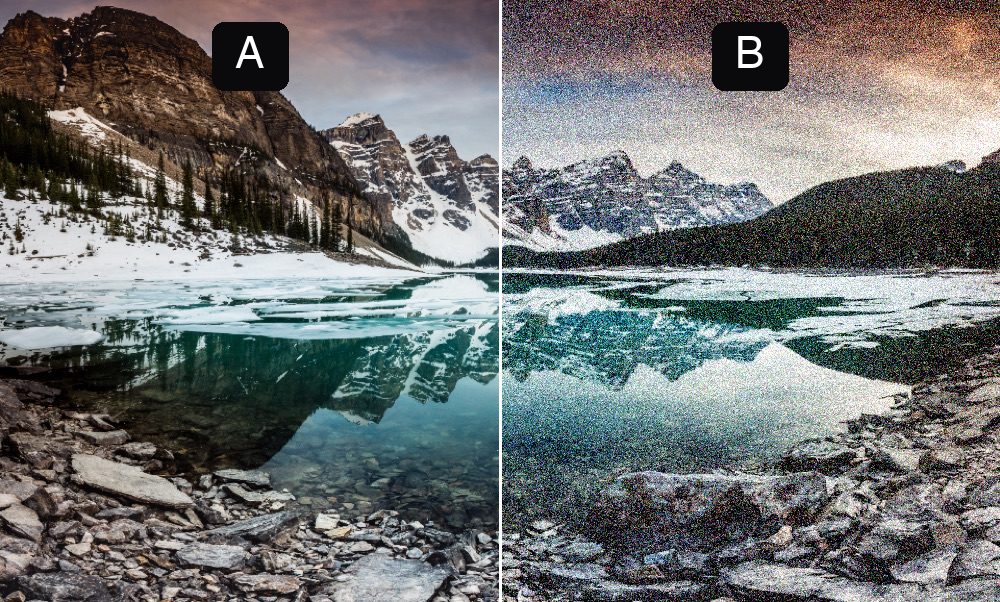
Same lake, same moment — but one half was shot at ISO 3200. Which one, and how can you tell?
That speckle is noise — the price of a sensitive sensor. It shows first in flat skies and shadows, exactly where your eye goes looking for smoothness.
-

A gig, no flash allowed, and the band won’t stand still. The photos come out grainy but sharp. What did the photographer do?
Low light + fast-moving subject = the classic high-ISO situation. Grain is the fee you pay to keep the shutter fast when the light runs out.
-
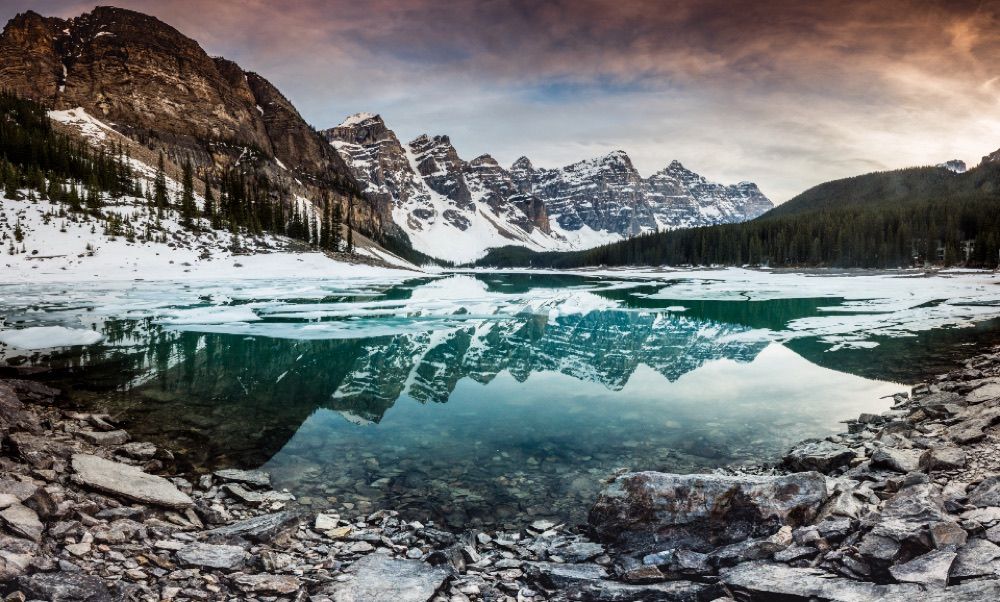
Bright daylight, mountains, all the light you could ever want. Which ISO does a photographer choose here — and why?
When light is plentiful you keep ISO as low as it goes — maximum quality, zero grain. ISO only rises when the light can’t pay the bill.
-

Inside this dim lobby with no flash, handheld. Your shot at ISO 100 comes out almost black. What’s the right move?
Indoors without flash is ISO 800–1600 territory. A little grain beats a black frame — and beats the guaranteed blur of a 2-second handheld shutter.
-
A classmate shoots the sunny school yard at ISO 6400 “to be safe”. The exposure looks okay. What’s the problem?
ISO is the last-resort dial. Raising it when the light doesn’t demand it just adds needless noise — quality thrown away for free.
-
In full Manual, you’ve set your shutter and aperture. How do you know your exposure is actually correct before you shoot?
The exposure level mark in the viewfinder is the meter’s verdict — centred means correct. Off to the minus side: add light (slower shutter, wider aperture, or more ISO).
✓ Mastery check passed — nice work.
Photographs: CC0 via Openverse.