
Manipulated · Episode 03 · Written codes
The Field Test.
Six reads — text on the screen and words in the air. No timer. Get all six and the certificate is yours.
-
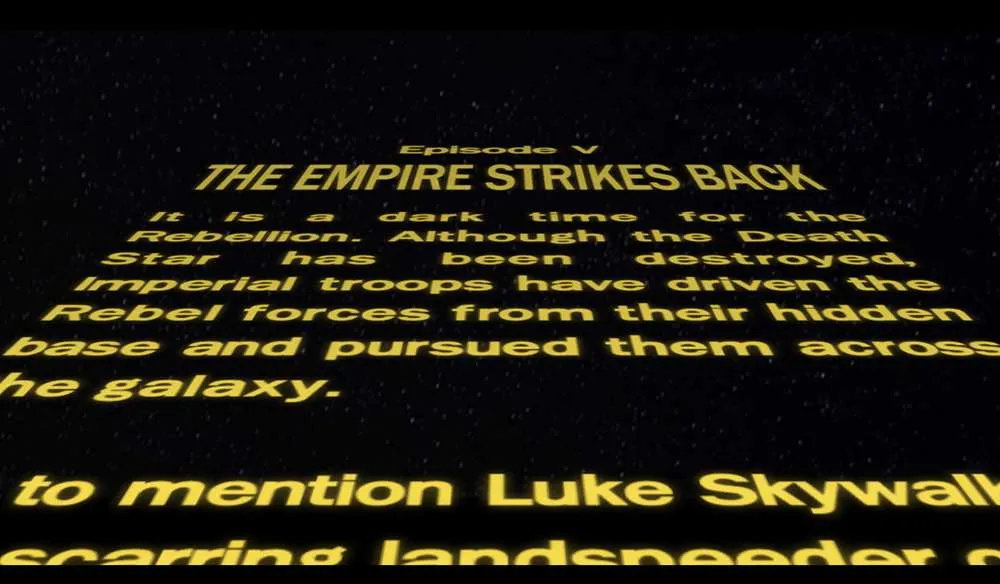
Yellow text, receding into space, before a single scene has played. What is the Star Wars crawl doing as printed language?
A title sequence is a film’s handshake — its font, pace and movement promise what kind of story is coming. The crawl turns printed language into spectacle.
-
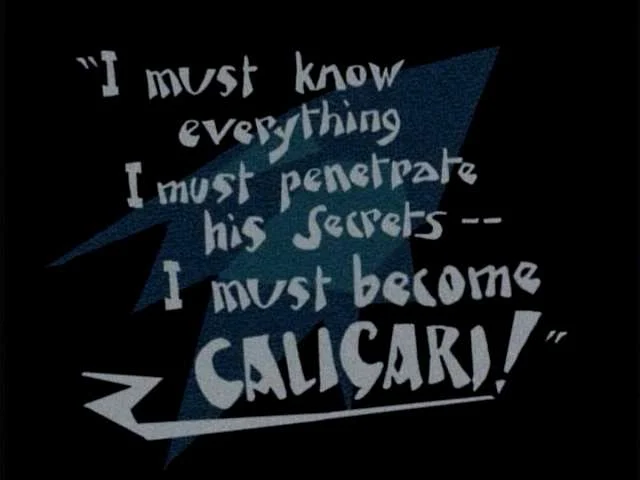
The intertitles in The Cabinet of Dr Caligari are jagged and hand-drawn. Why does the lettering itself matter?
Read how text is presented, not just what it says: typeface, size, colour, movement. Caligari’s distorted lettering carries the film’s mood — the type is characterisation.
-
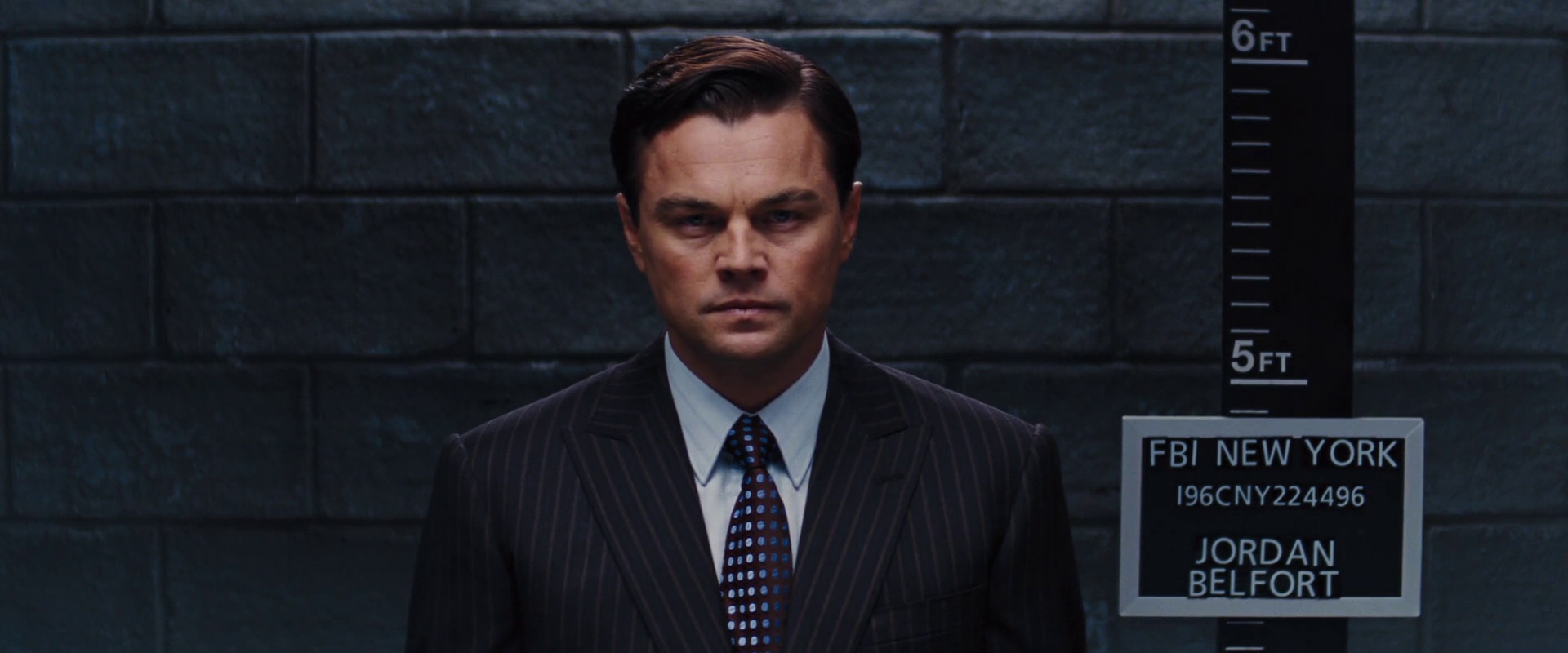
Jordan Belfort turns from the scene and speaks straight down the lens. What is this called, and what does it do?
Direct address breaks the “fourth wall” and builds a conspiratorial relationship with the audience — we’re not watching the con any more, we’re in on it.
-
“Anyone? Anyone?” The economics teacher’s words are ordinary — yet the scene is famous. Where does the meaning live?
How a line is said can outweigh what is said. Strip all energy and variation from a voice and the delivery itself becomes the meaning — pure deadpan tedium.
-
A student speaks formally to the principal, then in slang to their mates thirty seconds later. What is this switch called, and what does it show?
Register is the level of formality in speech. Switching register between audiences reveals relationships and power — who you must impress, who you can relax with.
-
“I’m fine.” — said while avoiding eye contact, voice catching. What are the words doing?
Screen dialogue runs on subtext — characters say one thing and mean another. What a character avoids saying often carries more weight than what they voice.
✓ Mastery check passed — nice work.
Film stills quoted for education and review.