Playback / The Sixth Sense
The Sixth Sense · 1999
The Wake
A grieving house, a boy who sees more than he should, and a videotape that turns a ghost story into a story about telling the truth.
Watch for
- How the narrative withholds and then delivers information through an object rather than dialogue.
- The disciplined use of red in the frame wherever the supernatural is present.
- The performances of the adults, who are playing grief while the audience is watching a reveal.
A worked reading · COCA
CContention
Shyamalan resolves a supernatural scene with evidence, converting a ghost story into a story about being believed.
OObservation
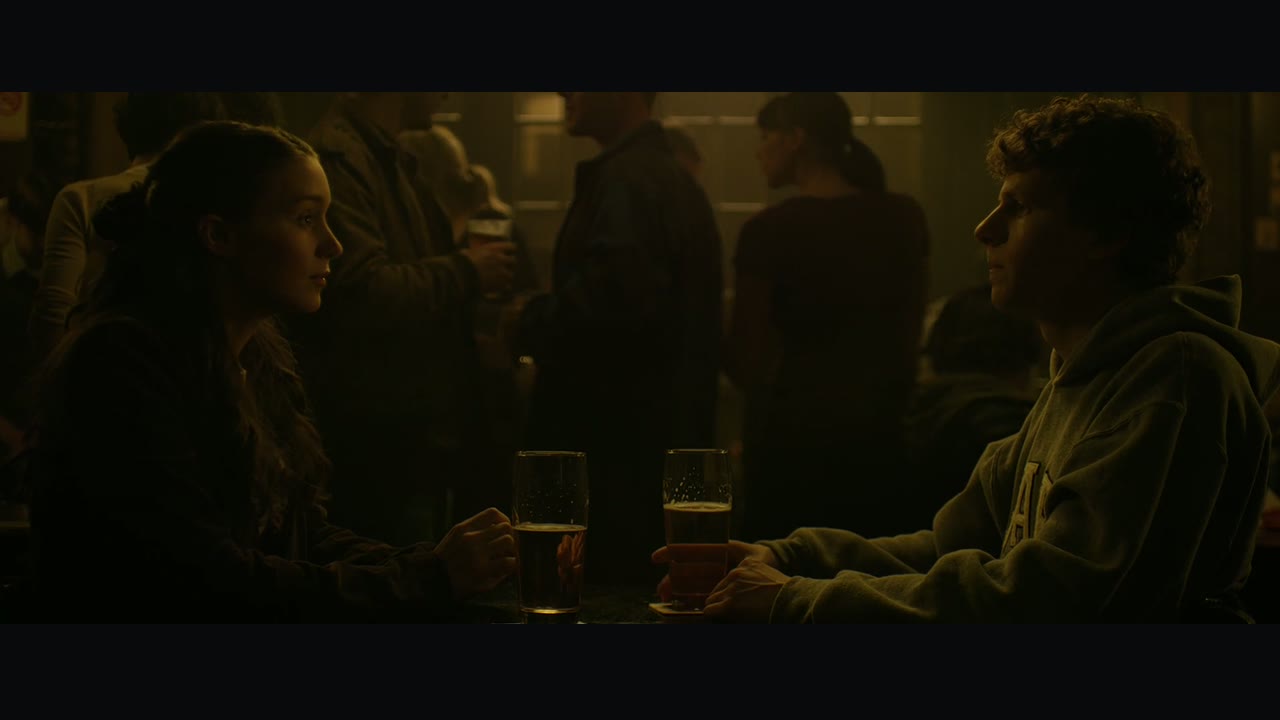
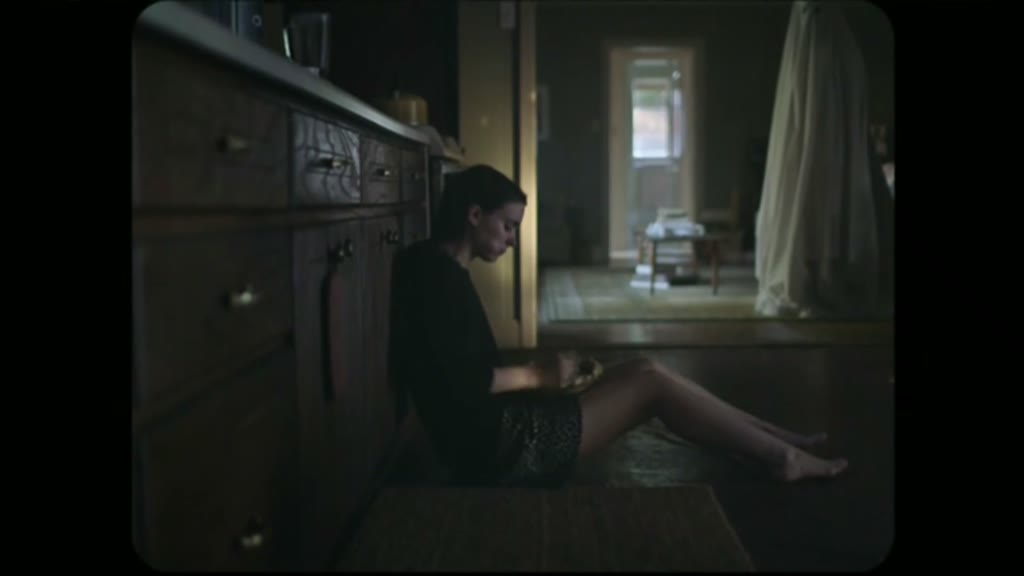
At a wake, Cole is led to a hidden box and a home video that reveals the truth of a death to the assembled adults, with red recurring in the mise en scene at each supernatural beat.
CConnotation
Delivering the reveal through a found videotape codes it as proof rather than claim; the recurring red codes the presence of the dead as a system the audience can learn.
AAudience
We shift from fearing the ghosts to sympathising with them, which sets up the film's central turn.
Your turn
- Why is the reveal delivered on videotape rather than spoken aloud?
- Where does red appear in this film, and what does the pattern mean?
- How does the scene change what you think ghosts want?
For teachers
At just over seven minutes this is the longest clip on the shelf — plan for a full viewing or cue to the tape. Strong for narrative structure and for colour as a code.