Media Codes & Conventions / Conventions
Conventions
Story Conventions
Story conventions are the shared patterns of storytelling audiences expect — narrative structure, cause and effect, character construction, point of view and the ordering of time.
Conventions are the shared understandings audiences bring to a media product — the patterns we have learned to expect from a lifetime of stories. Story conventions are the ones that govern how a narrative is built and told. Because they are so familiar, producers can lean on them to be understood instantly, play with them for surprise, or deliberately subvert them to make a point. There are five to look for — structure, openings and closings, character, point of view, and the ordering of time.
Narrative structure
Narrative structure is the overall shape of a story. The dominant convention is the three-act structure — set-up, confrontation, resolution — and its close relative the hero’s journey, the cycle of an ordinary figure called to adventure, tested, and returned changed. Audiences feel these shapes even when they cannot name them: the midpoint twist, the “all is lost” low before the climax, the final reckoning. But structure can also be non-linear (events reordered, as in Memento), circular (ending where it began) or episodic, and choosing an unusual structure is itself a statement about the story being told.
Openings and closings
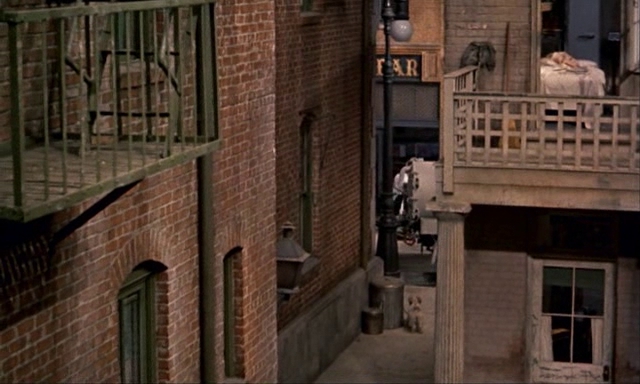
The opening has to do a great deal of work quickly: establish the world, set the tone, introduce a central character and pose the hook — the question that makes us stay. The closing delivers the resolution, tying off the narrative threads — or pointedly refusing to, leaving an ambiguous or open ending that lingers. The relationship between the two often carries the meaning: an ending that answers the opening’s question feels satisfying; one that twists or denies it provokes.
Character
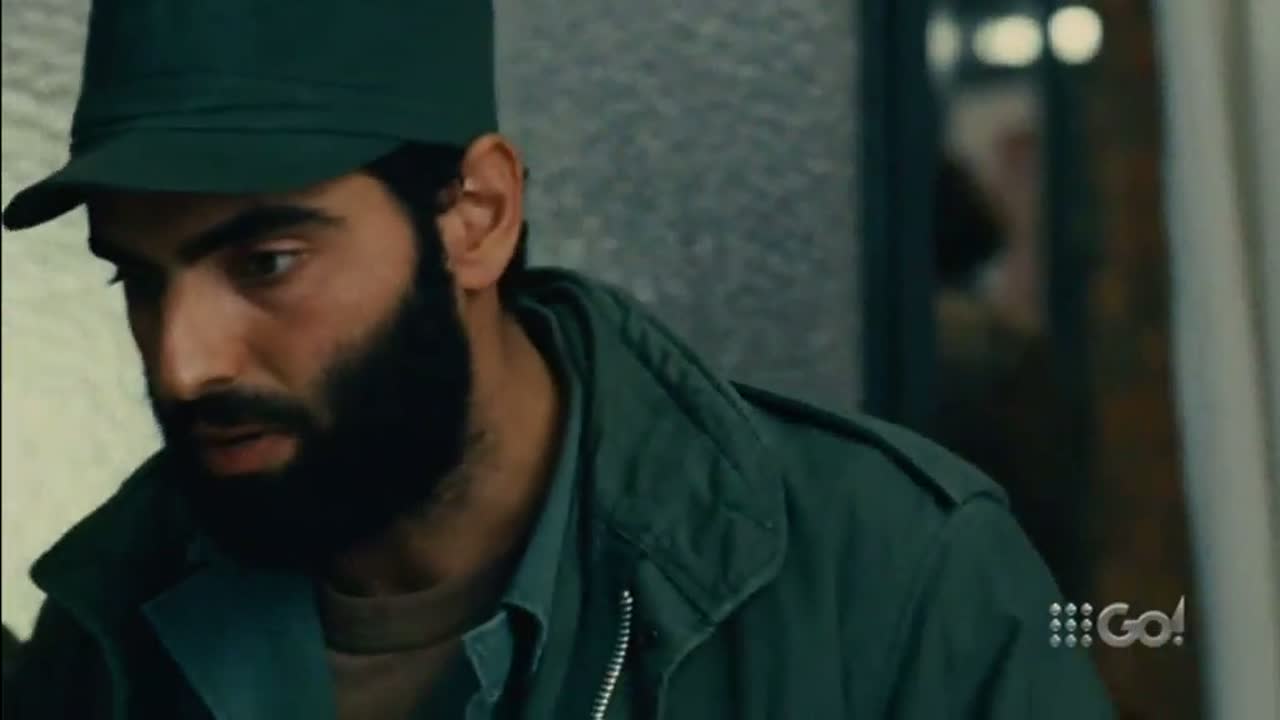
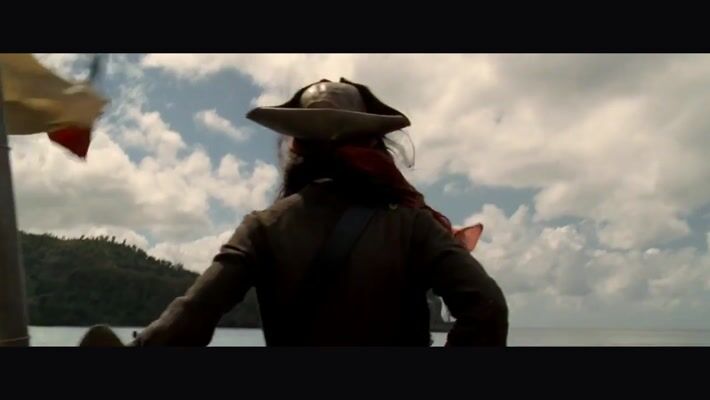
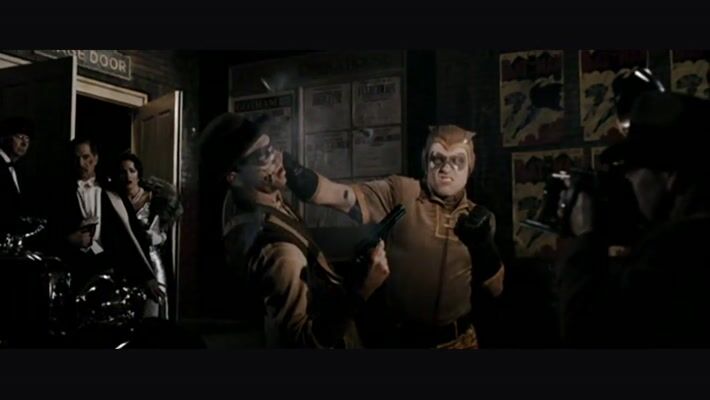
Audiences read characters through convention too. The protagonist drives the story and carries our sympathy; the antagonist opposes them; around them sit recognisable archetypes — the mentor, the sidekick, the love interest, the trickster. Just as important is the character introduction: the single beat that tells us who someone is the moment we meet them — an action, a costume, a line — economically planting everything we need to know.
Point of view
Point of view is whose eyes we see the story through, and how much we are allowed to know. A restricted narration ties us to one character so we discover things only as they do — ideal for mystery and suspense. An omniscient narration lets us see more than any single character, which can build dramatic irony: we know the danger the hero does not. Whose perspective a film chooses shapes who we side with and what we are made to feel.
Structuring of time
Stories rarely unfold in simple real-time order. Flashbacks fill in the past, flash-forwards hint at what is coming, foreshadowing plants a detail that pays off later, and delay withholds information to stretch tension. The order in which a narrative releases its events — not just what happens, but when we are told — is one of its most powerful tools.
Convention and subversion
The real analytical move is to notice when a film meets a convention and when it breaks one. A satisfying genre ending rewards expectation; a withheld, inverted or subverted one provokes us — and only works because the audience knew the rule it was breaking. Read story conventions alongside genre conventions and form conventions to explain the relationship a product builds with its audience: comfortable familiarity, knowing play, or deliberate challenge.