Playback / Psycho
Psycho · 1960
The Search
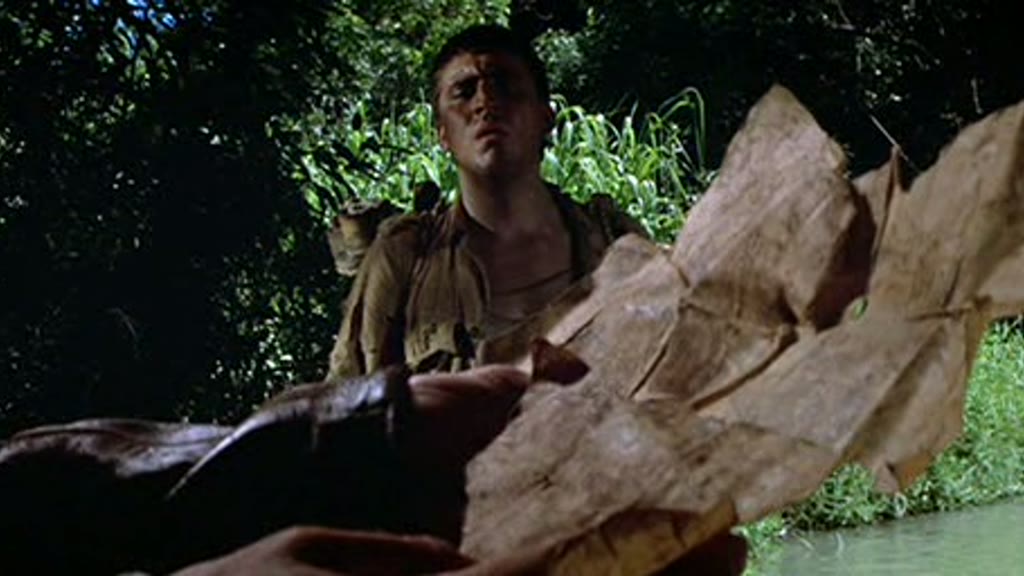
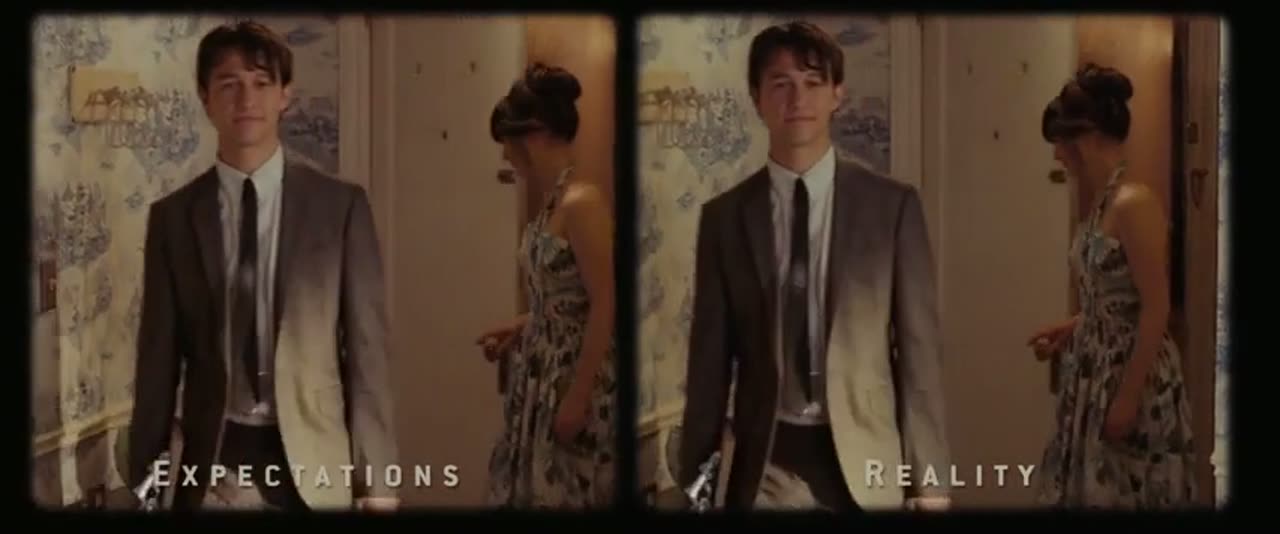
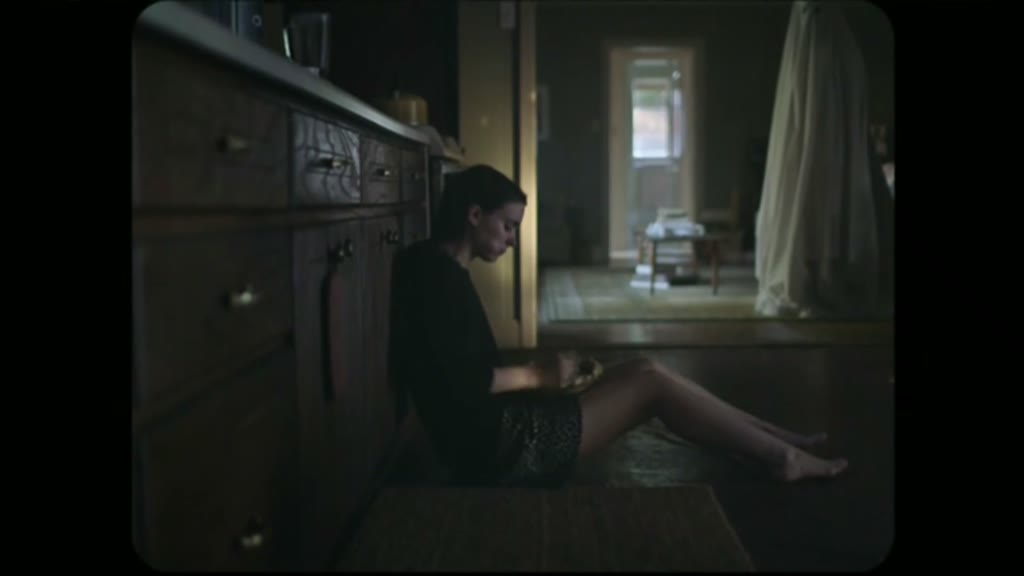
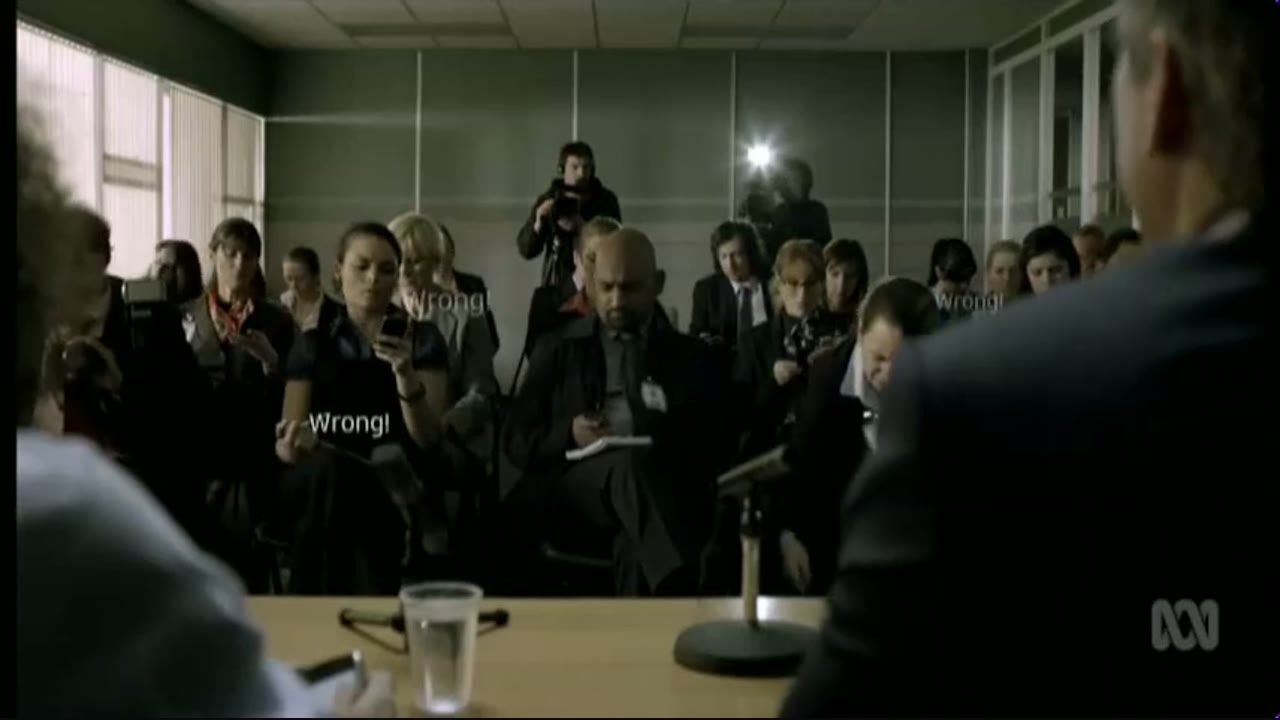
Days of fruitless searching compressed into a brisk montage — the edit does in seconds what a scene would need ten minutes to say.
Watch for
- How the montage reduces a long, repetitive process to its essential beats.
- The repetition of similar framings, which tells you this has happened many times.
- How much story time passes, and how the film signals it without a title card.
A worked reading · COCA
CContention
Hitchcock uses montage to keep an investigation moving without surrendering pace to procedure.
OObservation
A series of short, similarly composed shots shows the same enquiry repeated at door after door, cut together without connecting scenes.
CConnotation
Repetition with variation codes persistence and the passing of time; the brevity of each shot codes futility.
AAudience
We understand that a lot of time has passed and nothing has been found, and we stay impatient rather than bored.
Your turn
- How does the montage tell you how much time has passed?
- What is left out, and why does the film trust you to fill it in?
- How is this montage different in purpose from a training montage?
For teachers
A third Psycho scene for the shelf — pairs with the shower scene (montage as violence) and the parlour (mise en scene) to show one director using three different tools.